
FOB vs CIF vs EXW: which Incoterm should a Ghanaian exporter quote?
A Ghana-first comparison of FOB, CIF and EXW terms, with the customs steps every exporter must still complete regardless of term chosen.

A buyer asks for a quote and throws out three letters: FOB, CIF, or EXW. Picking the wrong one can leave a Ghanaian exporter paying for freight they never budgeted for, or losing control of goods earlier than they meant to. This guide walks through what each term means in practice, what stays the same no matter which term you quote, and how to decide.
On this page
What FOB, CIF, and EXW actually mean
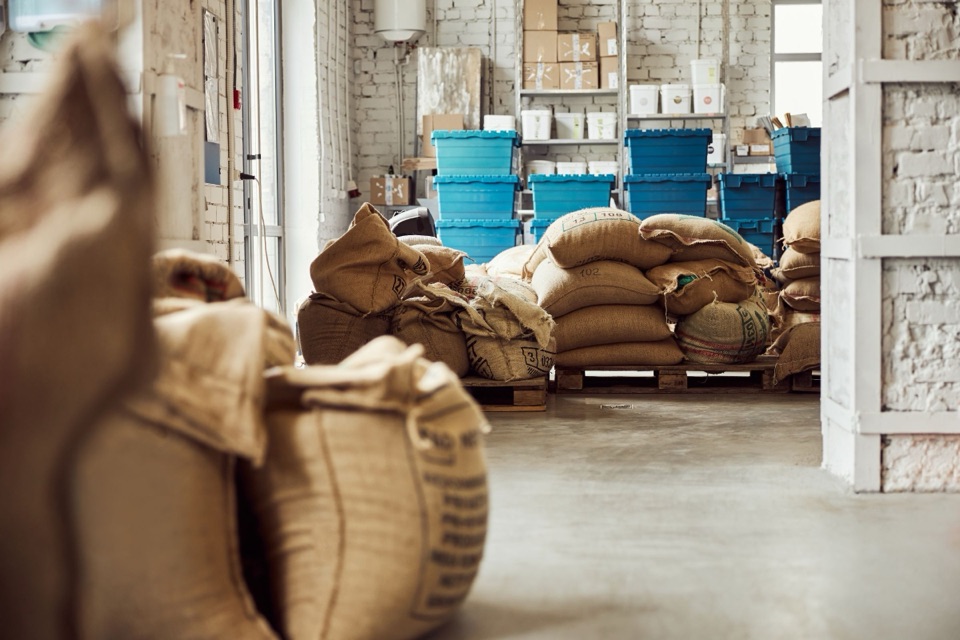
EXW (Ex Works) means the buyer collects the goods directly from your warehouse or factory. You hand over the goods and your job stops there. The buyer arranges and pays for everything else: inland transport, export customs formalities, ocean freight, and insurance. This sounds simple for the seller, but in Ghana it can create problems because the buyer's agent may be unfamiliar with local procedures, and delays at that stage can still reflect badly on you as the named exporter.
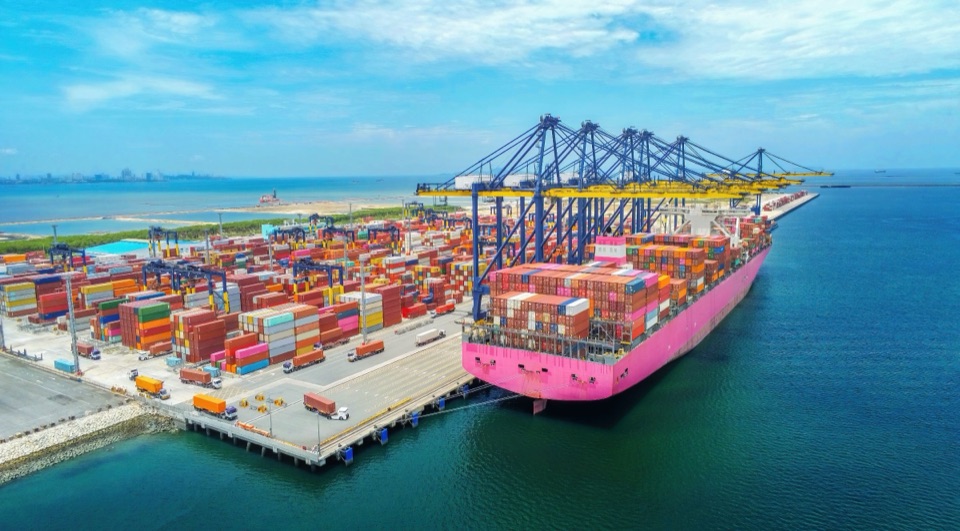
FOB (Free On Board) means you, the exporter, are responsible for getting the goods to the port and loaded onto the vessel. Once the goods are on board, risk and cost pass to the buyer. You handle the local export declaration and port handling; the buyer handles the sea freight and insurance from that point.
CIF (Cost, Insurance, Freight) means you go a step further than FOB: you also pay for and arrange the ocean freight and marine insurance to the named destination port. Risk still passes to the buyer once goods are on board, but you are paying for freight and insurance on their behalf, usually folded into the invoice price.
What doesn't change no matter the Incoterm
Whichever term you quote, the Ghanaian export paperwork trail is the same. You still need to be a registered exporter, and that starts with submitting a completed GEPA Registration Form together with photocopies of your registered business certificates to the Ghana Export Promotion Authority (source: GEPA Export Procedures).
Once GEPA finishes processing that registration, it issues you a certificate and sends a copy to the Ghana Revenue Authority (source: GEPA Export Procedures). That link between GEPA and GRA matters because it's GRA Customs who checks your paperwork at the border.
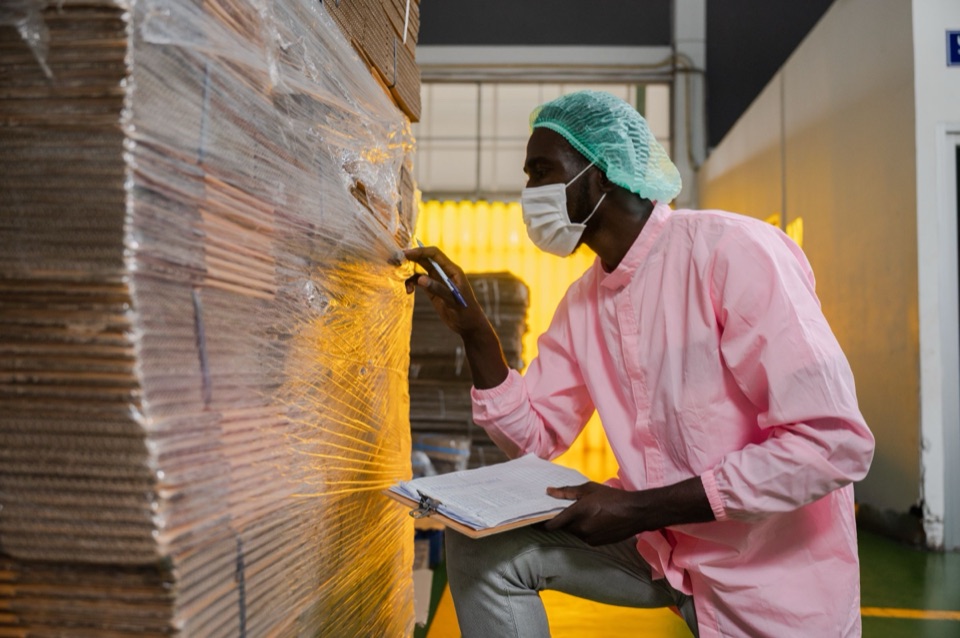
At the point of export, you must present all relevant export documents to GRA Customs at the Exit Point, and Customs checks that you hold those documents before it will process the goods for export (source: GEPA Export Procedures). This step happens under EXW, FOB, and CIF alike — the Incoterm affects who pays for freight and insurance, not whether customs clears the shipment.
Separately, under Customs laws and regulations, every export consignment must be covered by a customs declaration (source: GRA Customs FAQ), and that declaration is passed electronically through the UNIPASS/ICUMS platform (source: GRA Customs FAQ). If you export cocoa or other goods needing sector-specific authorisation, check whether you also need something like a cocoa licence — see the guide on AfCFTA rules of origin for Ghanaian exporters for how origin documentation interacts with these declarations.
How to choose as a Ghanaian exporter
Quote EXW only if you are new to exporting and want the buyer's freight forwarder to handle the local logistics and customs declaration end-to-end, and you trust that forwarder to know Ghanaian procedure. Many first-time Ghanaian exporters find this risky because a forwarder unfamiliar with the GRA Exit Point documentation check can cause delays that get blamed on the exporter.
Quote FOB if you want control over moving goods to the port and clearing them through GRA Customs yourself, but you're not ready to manage ocean freight contracts and marine insurance. This is the most common term quoted by small and mid-sized Ghanaian exporters because it keeps the parts you can control — local transport, warehousing, and the customs declaration — in your hands, while leaving freight risk to the buyer.
Quote CIF if you have an established relationship with a freight forwarder or shipping line, can get competitive freight and insurance rates, and want to offer the buyer a simpler all-in price. CIF can also help you win business from buyers who prefer a landed-cost quote rather than negotiating freight separately. It does mean more administrative load on your side, since you are now a party to the freight and insurance contracts as well as the export declaration.
Worked example: a cashew exporter quotes three ways
Ama runs a small cashew export business near Techiman. A German buyer asks for three quotes — EXW, FOB, and CIF — on the same container.
Ama is already registered: back when she started, she submitted the completed GEPA Registration Form with photocopies of her business certificates (source: GEPA Export Procedures), and GEPA later issued her a certificate with a copy sent to GRA (source: GEPA Export Procedures).
For the EXW quote, Ama prices only the cashews ex-warehouse. The buyer's forwarder would need to arrange transport to Tema, handle the customs declaration, and book the vessel. Ama is nervous about this because she won't personally be the one standing in front of GRA Customs at the Exit Point with the documents, and ultimately it is still her name on the export declaration lodged through UNIPASS/ICUMS (source: GRA Customs FAQ).
For the FOB quote, Ama adds inland haulage to Tema and her own cost of presenting the full set of documents to GRA Customs at the Exit Point, since Customs will check she holds those documents before releasing the goods (source: GEPA Export Procedures). This feels more comfortable — she keeps direct control of the part of the process she knows best.
For the CIF quote, Ama goes further and gets a freight quote plus a marine insurance quote from her usual providers, bundling it all into one landed-cost figure. Over the following weeks, as the buyer compares the three numbers, Ama realises the FOB and CIF quotes are close once freight is added back — but the CIF quote wins the deal because the buyer prefers not to deal with ocean freight booking themselves. She still has to file the same customs export declaration (source: GRA Customs FAQ) regardless of which quote was accepted.
Comparison table
| Incoterm | Who moves goods to port | Who books ocean freight | Who arranges marine insurance | Who files Ghana customs declaration |
|---|---|---|---|---|
| EXW | Buyer | Buyer | Buyer | Buyer's agent (but exporter is still the registered party on record) |
| FOB | Exporter | Buyer | Buyer | Exporter |
| CIF | Exporter | Exporter | Exporter | Exporter |
In every row, the consignment still needs a customs declaration filed electronically through UNIPASS/ICUMS before GRA Customs will process it for export (source: GRA Customs FAQ; source: GEPA Export Procedures).
Frequently asked questions
Does GEPA registration depend on which Incoterm I quote?
No. Registration is a one-time step: you submit a completed GEPA Registration Form with photocopies of your registered business certificates, and GEPA issues a certificate with a copy sent to GRA (source: GEPA Export Procedures). This is required whether you later quote EXW, FOB, or CIF.
If I quote EXW, do I still need to deal with GRA Customs?
Your buyer's agent handles the physical process, but the goods still can't leave Ghana without a customs declaration passed through UNIPASS/ICUMS (source: GRA Customs FAQ), and GRA Customs still checks for the relevant export documents at the Exit Point before processing (source: GEPA Export Procedures). As the exporter of record, it is worth staying close to that process even under EXW.
Is CIF always more profitable than FOB?
Not necessarily. CIF lets you build a margin into the freight and insurance you arrange, but it also puts the administrative and cash-flow burden of paying for freight upfront on you. Many exporters start with FOB and move to CIF once they have reliable freight forwarder relationships.
Does the Incoterm affect AfCFTA origin paperwork?
The Incoterm itself doesn't change origin requirements. Origin qualification and documentation are covered separately in the guide on AfCFTA rules of origin for Ghanaian exporters, and that applies regardless of whether you quote EXW, FOB, or CIF.
Sources
- GEPA Export Procedures (opens in a new tab)Reviewed as of 01.06.2024
- GRA Customs FAQ (opens in a new tab)Reviewed as of 01.06.2024