

Palm Oil Price: What Ghanaian Exporters Should Expect and Plan For
A practical look at palm oil price swings for Ghanaian exporters — what drives them, how to plan contracts, and a worked buyer negotiation example.

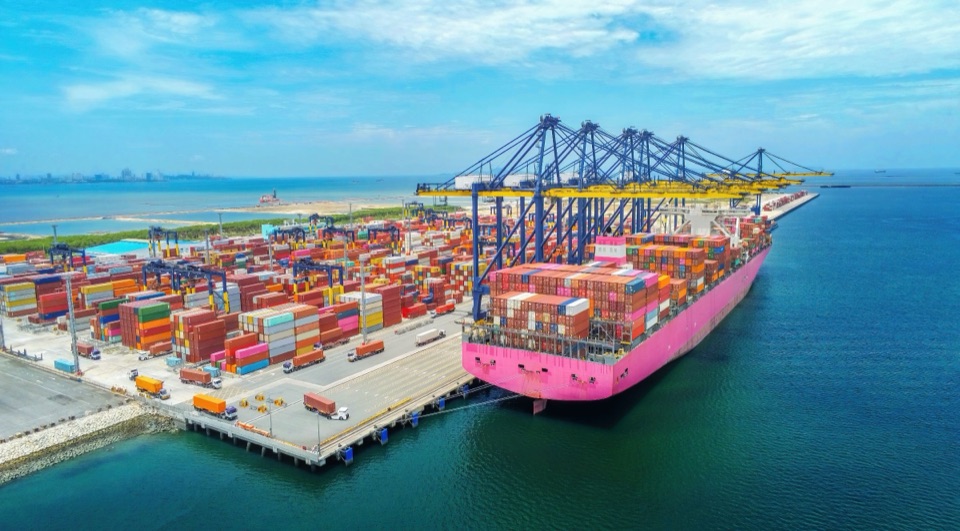
Palm oil price is one of the hardest things for a Ghanaian exporter to plan around. It moves with global edible oil supply, weather in Southeast Asia, fuel and fertiliser costs, and currency swings — none of which a smallholder or trading company in Kumasi or Takoradi controls. What you can control is how you price contracts, when you lock in a rate, and how you explain volatility to a buyer so you don't lose the deal or your margin. This guide walks through what moves palm oil price, how to structure a contract around it, and a worked example of a cooperative negotiating a six-month supply deal.
On this page
What actually moves palm oil price
Crude palm oil is traded as a global commodity, so Ghanaian producers are price takers more often than price makers. A few forces matter most:
- Global supply from Indonesia and Malaysia. These two countries supply the large majority of world palm oil, so a drought, a labour shortage, or an export policy change there moves the benchmark price that Ghanaian buyers reference, even for oil that never left West Africa.
- Competing vegetable oils. Soybean oil, sunflower oil, and rapeseed oil are substitutes in food manufacturing. When those get cheaper, palm oil has to compete on price. When they get more expensive — often after a poor harvest in South America or disruption around the Black Sea — palm oil prices tend to firm up.
- Fuel and biodiesel demand. Palm oil is used in biodiesel blends in several countries. When crude oil prices rise, biodiesel demand for palm oil often rises with it, pulling food-grade prices up too.
- The cedi-to-dollar exchange rate. Most export contracts are priced in US dollars. Even if the dollar price of palm oil holds steady, a weaker cedi changes what that contract is worth to you in local currency, and a stronger cedi can quietly erode a margin that looked fine on paper.
- Local transport and processing costs. Diesel for haulage, mill fees, and bagging or drumming costs don't move with the world price. They tend to climb over time, so a contract signed at last year's rate can quietly become unprofitable even if the world price hasn't changed.
The same dynamics apply to other Ghanaian export commodities — cashew nut prices and rubber prices swing on similar global supply and currency factors, and timber prices move with construction demand in buyer markets. If you export more than one commodity, it's worth tracking all of them, because a weak season in one can sometimes be offset by a strong one in another.
Pricing models: fixed, formula, and spot
Exporters generally choose between three ways to set a price with a buyer, and each shifts risk differently.
Fixed price
You agree on a set price per tonne for the life of the contract, usually three to twelve months. This is simplest to plan around and easiest to explain to a cooperative's members, but it means you carry all the risk if the world price rises sharply after signing — and you keep the upside if it falls. Fixed price works best for shorter contracts or when you can tolerate some margin swing.
Formula pricing
The contract price is tied to a published benchmark (for example, a regional CPO reference price) plus or minus an agreed adjustment for quality, packaging, or logistics. This spreads risk more evenly between you and the buyer, because both sides move with the market. It takes more negotiation up front and requires both parties to agree on which benchmark and which date each shipment references.
Spot pricing
You sell shipment by shipment at whatever the market offers at the time. This maximises flexibility but makes cash flow unpredictable, which is hard on a cooperative that needs to pay farmers on a regular schedule. Spot pricing tends to suit traders with working capital buffers more than smallholder groups.
None of these models removes the need for proof of what you're actually shipping. Buyers increasingly want a verifiable record behind each shipment rather than a certificate that arrives by email and can't be checked — see Audit Trail vs Emailed Certificates: What a Buyer Needs for what that looks like in practice.
Protecting your margin between harvest and shipment
Price risk doesn't only come from the world market — it comes from the gap between when you buy or harvest fruit and when you get paid for the shipped oil. A few habits reduce that gap's damage:
- Price in the currency you'll be paid in, and convert immediately. Holding dollars hoping the cedi weakens further is a bet, not a business plan.
- Quote all-in costs, not just mill-gate price. Haulage, port handling, inspection, and financing costs all eat into the per-tonne number a buyer sees. Build them into your quote rather than discovering the shortfall after shipment.
- Re-quote on any contract that stretches past 90 days. A price that was fair in January can be a loss by June. Build a review clause into longer contracts rather than locking yourself in for a year on a handshake.
- Keep your origin and quality documentation ready before you negotiate, not after. A buyer who has to chase you for paperwork after agreeing a price will build that friction into the next negotiation. If your product also needs to show compliance with origin rules under regional trade agreements, review AfCFTA Rules of Origin: How Ghanaian Exporters Qualify before you quote a price that assumes preferential treatment you haven't actually secured.
Worked example: Ama's six-month contract
Ama runs a 40-member palm oil cooperative outside Kade. A UK-based buyer, a mid-size food ingredients importer, reaches out wanting a six-month supply agreement for crude palm oil, roughly 20 tonnes a month.
The buyer's first offer is a fixed price per tonne, locked for the full six months, based on the current spot rate. Ama does the math with her treasurer and sees the problem straight away: if diesel costs or the cedi move against her mid-contract, she has no way to adjust, but if the world price drops, the buyer still pays the agreed rate — so the risk is asymmetric and runs in the buyer's favor only when things go wrong for her.
Instead of accepting or flatly rejecting the offer, Ama writes back proposing a formula structure: price tied to a named regional CPO benchmark, reviewed monthly, with a floor price below which she won't ship regardless of where the benchmark sits. She explains in the email that her members need a minimum guaranteed amount per tonne to keep producing, and that the floor protects the buyer too, since a cooperative that goes under mid-contract leaves the buyer with no supply at all.
The buyer pushes back once, asking for a quarterly review instead of monthly, to reduce their own admin overhead. Ama agrees to quarterly reviews but adds a clause letting either side trigger an early review if the benchmark moves sharply in either direction between scheduled dates. They settle on that structure, and Ama sends a one-page summary of the agreed terms — benchmark name, floor price, review dates, and the early-trigger threshold — so both sides have the same written reference before the first shipment goes out.
Six weeks in, global vegetable oil prices spike after a weather event in Southeast Asia. Ama checks the contract, confirms the early-trigger threshold has been crossed, and emails the buyer requesting the out-of-cycle review they'd agreed to. Because the clause was written down rather than assumed, the conversation is short: both sides already know what triggers it and what happens next.
Comparison: pricing approaches at a glance
| Pricing model | Who carries price risk | Best suited to | Main drawback |
|---|---|---|---|
| Fixed price | Exporter (mostly) | Short contracts, new buyer relationships | No protection if costs rise after signing |
| Formula (benchmark-linked) | Shared between exporter and buyer | Longer contracts, established buyers | Needs clear written terms on benchmark and review timing |
| Spot | Exporter, shipment by shipment | Traders with working capital buffers | Unpredictable cash flow for paying farmers |
Frequently asked questions
Why does palm oil price move so much compared to other crops?
It's traded globally and competes directly with other vegetable oils and with biodiesel demand, so it reacts to weather, fuel prices, and currency shifts in several countries at once, not just conditions in Ghana.
Should a small cooperative ever accept spot pricing?
Only if there's enough working capital to absorb a bad month without missing payments to farmers. Spot pricing works better for traders with cash reserves than for groups paying out on a fixed schedule.
How often should a palm oil supply contract be reviewed?
For anything longer than about three months, build in a review point. Quarterly is common, but add a clause allowing an early review if the market moves sharply, so you're not stuck waiting for the next scheduled date.
Does a formula-priced contract still need a floor price?
A floor protects producers from a price crash mid-contract and gives the buyer a stable, if sometimes pricier, supply instead of a cooperative that collapses when prices fall.
Do EU buyers ask about anything beyond price for palm oil?
Increasingly yes — EU rules around deforestation-linked commodities affect what documentation buyers expect. Rather than guessing at the specifics, check how origin and compliance paperwork should be structured before quoting a contract.
Price is only half the conversation with a buyer — the other half is proof: that the oil is what you say it is, from where you say it's from, backed by records a buyer can actually check rather than a PDF that could be anyone's. Passmark gives exporters a way to build that verifiable record once and reuse it across buyers, instead of re-proving the same facts in every new negotiation.