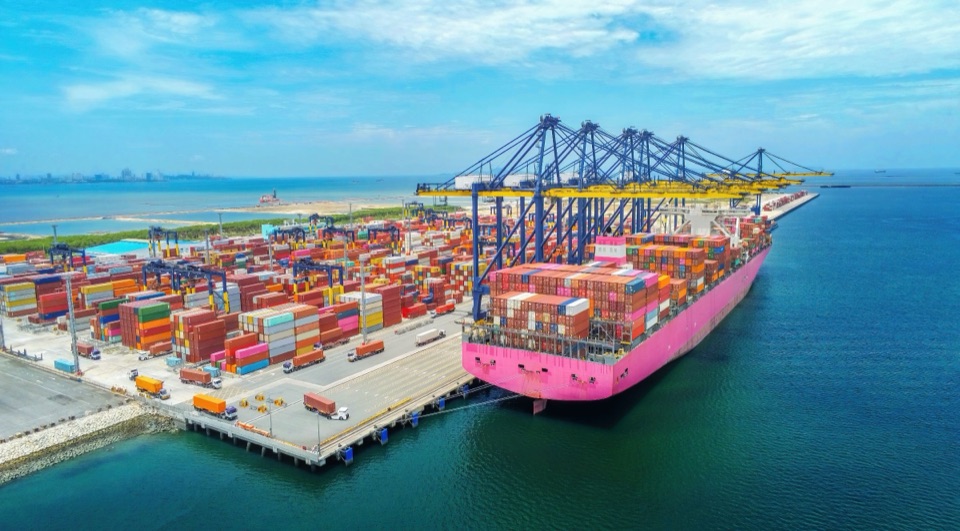

How to Export Yam from Ghana to USA: A Step-by-Step Answer
How to export yam from Ghana to USA: the APHIS and FDA steps Ghanaian exporters need before the shipment leaves port.

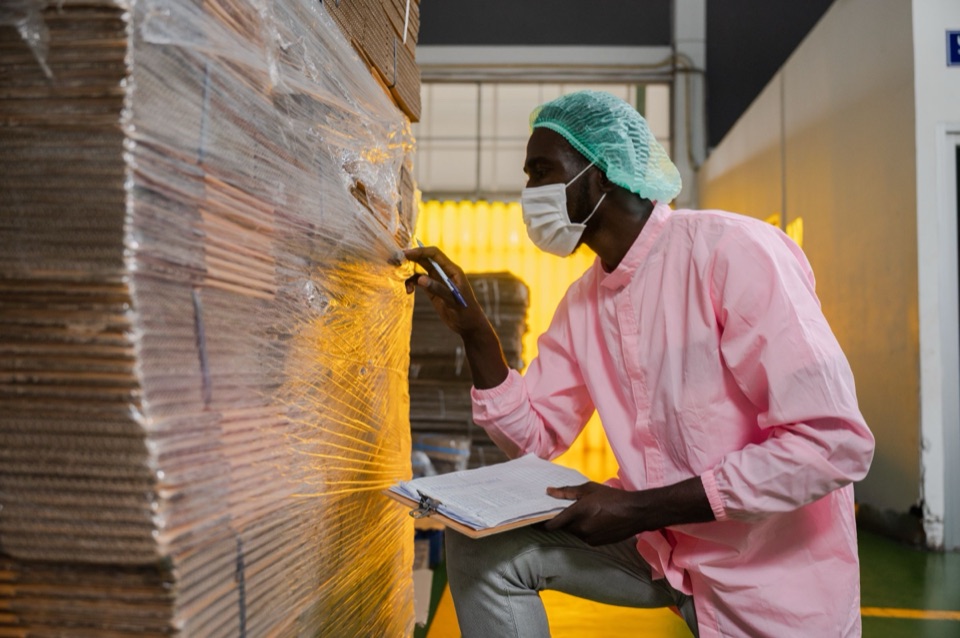
To export yam from Ghana to USA, a shipper needs the yam cleared on the US side as an approved plant product (or taken through APHIS's commodity review if it isn't yet approved), plus FDA prior notice filed before the shipment arrives. Those two tracks run in parallel with the Ghana-side paperwork covered in the complete guide to exporting yam from Ghana. This guide focuses only on the US-entry side: what APHIS and FDA require, in what order, and what goes wrong if a step is skipped.
If you are exporting from Ghana to USA for the first time, read this alongside your HS code work and buyer checks, because the US requirements below depend on having those basics settled first.
On this page
- Is yam an approved commodity for US import?
- How do I apply for an APHIS import permit?
- What is FDA prior notice and do I need it?
- What is a PN Confirmation Number and when is it needed?
- What language must prior notice be submitted in?
- Checklist: US-entry steps before the yam ships
- APHIS permit vs FDA prior notice: how they differ
- FAQ
Is yam an approved commodity for US import?
If yam is not already on APHIS's approved commodity list and is not currently undergoing a pest risk analysis, the exporter (or an importer working on their behalf) must start a commodity import request with APHIS before any shipment can be imported. This is a separate step from the permit application itself, and it has to happen first, because APHIS cannot issue a permit for something it has not yet reviewed for pest risk. [source: aphis.usda.gov/plant-imports/how-to-import]
In practice, this means the first question to answer is not "what form do I fill in" but "has yam from Ghana already been through this review." If it hasn't, the commodity import request becomes the actual critical-path item, ahead of booking shipping or finalising buyer contracts.
How do I apply for an APHIS import permit?
Import and transit permit applications for plants, plant pests, soil, and agricultural products are submitted through APHIS eFile, which is the online system APHIS provides for this purpose. [source: aphis.usda.gov/plant-imports/how-to-import] There is no separate paper channel described for this; eFile is the route.
Because the permit application and the commodity import request (above) are two different actions, a Ghanaian exporter shipping yam for the first time should expect to interact with APHIS eFile more than once: first to confirm or trigger commodity review status, then to apply for the actual import or transit permit once that status is clear.
What is FDA prior notice and do I need it?
Prior notice is advance information FDA requires for food articles, including agricultural products like yam, before they arrive in the United States. The notice is filed through FDA's prior notice system, and it is a separate requirement from the APHIS permit track above — one covers plant pest risk, the other covers food safety oversight at entry.
What is a PN Confirmation Number and when is it needed?
A PN Confirmation Number is issued once prior notice has been submitted through the FDA PNSI system, and it must travel with the food article and be produced to CBP or FDA when the shipment arrives in the United States. [source: ecfr.gov title-21 subpart-I] Without this number on hand at arrival, the shipment has nothing to show that prior notice was actually filed, even if it genuinely was.
The practical consequence: keep the confirmation number with the shipping documents, not just in an email inbox, so whoever receives the yam on the US side can produce it immediately.
What language must prior notice be submitted in?
Prior notice information must be submitted in English. The only exceptions are an individual's name, a company's name, and a street name, which may be given in a foreign language. [source: ecfr.gov title-21 subpart-I] Everything else in the filing — descriptions, quantities, commodity details — needs to be in English, so a Ghanaian exporter preparing the filing (or instructing a US-based broker to do so) should not assume local-language shipping paperwork can simply be forwarded as-is.
Checklist: US-entry steps before the yam ships
- Check commodity status. Confirm whether yam is already an approved commodity or still needs a commodity import request started with APHIS. [source: aphis.usda.gov/plant-imports/how-to-import]
- Apply through APHIS eFile. File the import or transit permit application through APHIS eFile once commodity status is clear. [source: aphis.usda.gov/plant-imports/how-to-import]
- File FDA prior notice. Submit prior notice for the food article before it arrives in the US.
- Write the filing in English. Keep only individual names, company names, and street names in their original language if needed. [source: ecfr.gov title-21 subpart-I]
- Record the PN Confirmation Number. Attach it to the shipment's documents so it can be given to CBP or FDA on arrival. [source: ecfr.gov title-21 subpart-I]
APHIS permit vs FDA prior notice: how they differ
| Item | Issuing body | Filed through | What it depends on |
|---|---|---|---|
| Import/transit permit | APHIS | APHIS eFile | Commodity already approved, or a commodity import request completed first |
| PN Confirmation Number | FDA (via PNSI) | FDA Prior Notice System Interface | Prior notice filed in English before arrival; number must be produced to CBP or FDA on arrival |
Both are gatekeeping steps on the US side, but they sit with different agencies and fail for different reasons: a permit issue usually traces back to commodity approval status, while a prior notice issue usually traces back to missing the confirmation number at arrival or filing in the wrong language. [source: aphis.usda.gov/plant-imports/how-to-import; ecfr.gov title-21 subpart-I]
Frequently asked questions
What happens if the PN Confirmation Number isn't available when the shipment arrives?
The number must be given to CBP or FDA on arrival, so if it isn't on hand, the shipment has no way to show prior notice was filed, even where it genuinely was submitted in advance. [source: ecfr.gov title-21 subpart-I] Keeping the number attached to the shipping documents rather than in a separate email avoids this.
Can I submit prior notice partly in a local Ghanaian language?
Only an individual's name, a company's name, and a street name may be in a foreign language; everything else in the prior notice filing must be in English. [source: ecfr.gov title-21 subpart-I]
How to import cashew from Africa — do the same APHIS and FDA steps apply?
The facts here cover yam specifically. The general pattern — checking commodity approval status with APHIS, filing through APHIS eFile where a permit is needed, and submitting FDA prior notice for food articles — is described for plant and agricultural products generally, not cashew by name, so a cashew exporter would need to confirm cashew's own commodity status with APHIS rather than assume yam's status applies.
How to export shea butter from Ghana to USA — is the process the same as for yam?
The facts above don't cover shea butter specifically. What they do establish is that APHIS's commodity approval and eFile permit process, and FDA's prior notice requirement, apply to plant and agricultural products and food articles in general — so the same questions (is it an approved commodity, has prior notice been filed, is the confirmation number ready at arrival) are the right ones to ask, even though the answers for shea butter need to be confirmed separately with APHIS and FDA.
Does the APHIS commodity import request replace the need for a permit?
No. The commodity import request is what gets a plant product reviewed when it isn't already approved and isn't under pest risk analysis; the import or transit permit is a separate application filed through APHIS eFile once that review status is resolved. [source: aphis.usda.gov/plant-imports/how-to-import]
Sources
- APHIS - How to Import (opens in a new tab)Reviewed as of 11.11.2026
- eCFR Title 21, Subpart I (Prior Notice) (opens in a new tab)Reviewed as of 12.11.2026
- eCFR Title 21, Subpart I - PN Confirmation Number (opens in a new tab)Reviewed as of 12.11.2026
Once the APHIS and FDA steps above are in hand, go back to the complete guide to exporting yam from Ghana for the Ghana-side documents, and check your HS code and buyer due diligence steps if you haven't already, since US customs brokers and buyers will ask for all of this together, not piecemeal.