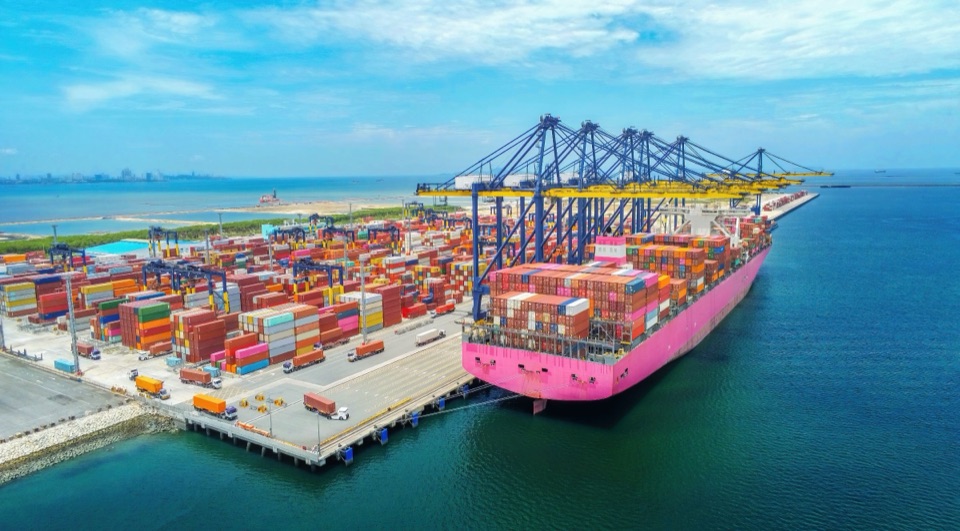

What are the documents needed for export of fresh pineapple from Ghana to the EU
What are the documents needed for export of fresh Ghanaian pineapple to the EU — phytosanitary certificate and customs declaration steps.

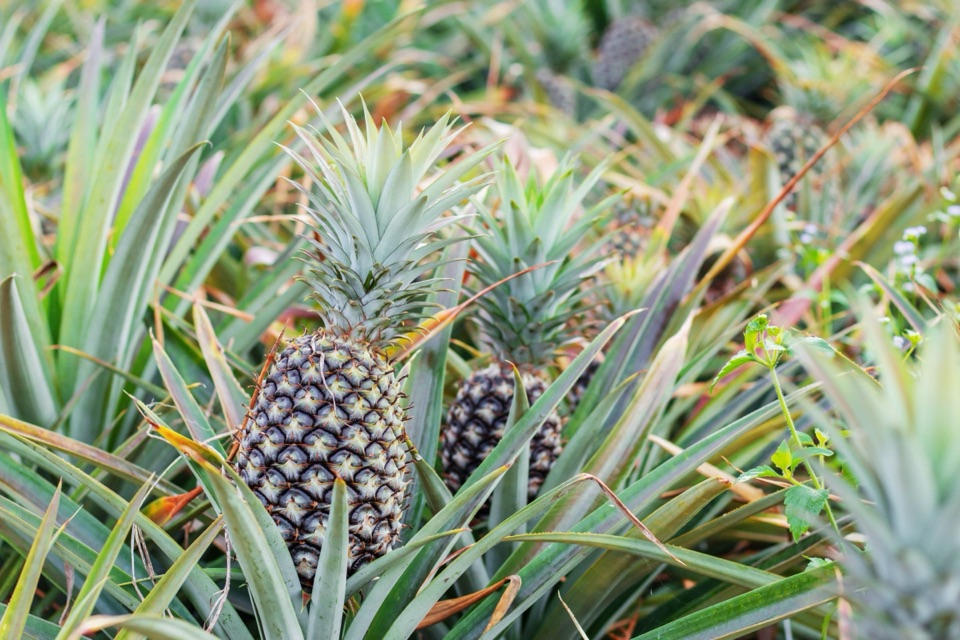
Exporters shipping fresh pineapple from Ghana to the European Union often ask: what are the documents needed for export? For this product, the answer centres on two things working together — a plant health certificate that satisfies the EU border, and a customs declaration that clears the goods out of Ghana. This guide walks through both, in the order they actually happen, so an exporter can prepare instead of reacting at the port.
On this page
Phytosanitary certificate: the EU plant health rule
The EU's general plant health rule has applied since 14 December 2019. It requires a phytosanitary certificate for plants entering the EU, unless the plant is listed in Annex XI, Part C of Implementing Regulation (EU) 2019/2072 as exempt (source: European Commission, Plant health rules).
Separately, plants and plant products listed in Annex XI and Annex XII of Regulation (EU) 2019/2072 must travel with a phytosanitary certificate when they enter the EU. That certificate is what confirms the shipment meets the EU's plant health requirements (source: European Commission, Trade in plants and plant products from non-EU countries). Fresh pineapple falls within this plant-product category, so an exporter needs to confirm, ahead of shipping, which annex listing applies and arrange the certificate before the fruit leaves Ghana — not after it has already reached a European port.
Ghana customs declaration for non-traditional export
Fresh pineapple is handled under the Ghana Revenue Authority's Non-Traditional Export procedure. The Customs Declaration must be submitted electronically. Once Customs validates the declaration, the goods are presented at the Export seat for inspection or examination (source: Ghana Revenue Authority, Export Procedures). This is a sequential process: the declaration has to be accepted first, and only then does physical inspection happen, so paperwork errors caught early save a wasted trip to the inspection point.
Exporters relying on an advance payment arrangement with a buyer should also read how that payment structure carries its own risk, covered in the advance payment export risk guide. And where origin matters for preferential treatment under the ecowas trade liberalization scheme (ETLS) or AfCFTA, see the separate guide on AfCFTA rules of origin — EU-bound pineapple sits outside that regime, but exporters who also sell within the ecowas trade agreement area need both sets of rules in view.
Worked example: a pineapple shipment from farm to port
Ama runs a pineapple farm near Nsawam and has a buyer lined up in Rotterdam. She starts by checking whether her variety and product form sit inside Annex XI, Part C of Regulation (EU) 2019/2072 — the exemption list — or whether it falls under Annex XI/XII, which would require a phytosanitary certificate before the fruit can enter the EU (source: European Commission, Plant health rules; Trade in plants and plant products from non-EU countries). Her product is not exempt, so she arranges inspection and the certificate ahead of the harvest date she has agreed with her buyer.
At the same time, Ama prepares her Non-Traditional Export Customs Declaration electronically through the Ghana Revenue Authority's system. She submits it before the truck is loaded, because she knows Customs has to validate the declaration before her consignment can even be presented at the Export seat for inspection (source: Ghana Revenue Authority, Export Procedures). On an earlier shipment, Ama sent the truck to the port first and only then started the declaration — the goods sat waiting because validation hadn't happened yet. This time she reverses the order: declaration first, phytosanitary certificate confirmed, then the truck moves. The fruit clears the Export seat without a second trip.
Comparison: phytosanitary certificate vs customs declaration
| Document | Who issues or governs it | Where it sits in the sequence | Common reason for delay |
|---|---|---|---|
| Phytosanitary certificate | Required under the EU's plant health rule and Regulation (EU) 2019/2072 (source: European Commission) | Arranged before the shipment leaves Ghana, tied to the Annex XI/XII listing of the product | Product wrongly assumed to be exempt under Annex XI, Part C when it is not |
| Customs Declaration (Non-Traditional Export) | Ghana Revenue Authority (source: GRA Export Procedures) | Submitted electronically, validated by Customs, then goods go to the Export seat for inspection | Declaration submitted after goods already arrive at the port, before validation is complete |
Frequently asked questions
What are the export documents if my pineapple product is listed as exempt under Annex XI, Part C?
If the specific plant or product is listed in Annex XI, Part C of Implementing Regulation (EU) 2019/2072, the EU's general plant health rule does not require a phytosanitary certificate for it (source: European Commission, Plant health rules). The Ghana Revenue Authority's electronic Customs Declaration and Export seat inspection step still applies regardless of that exemption, since that process sits on the Ghana side of the shipment, not the EU side.
How to pack pineapple for export when the shipment also needs a phytosanitary certificate?
The facts here do not cover packing specifications. What they do cover is sequencing: a phytosanitary certificate is required under Regulation (EU) 2019/2072 before fruit covered by Annex XI or Annex XII can enter the EU (source: European Commission, Trade in plants and plant products from non-EU countries), so any packing decision needs to happen within a timeline that allows that certificate to be arranged first.
What happens if the Ghana Revenue Authority rejects or flags my Customs Declaration?
Under the Non-Traditional Export procedure, the declaration must be validated by Customs before goods move to the Export seat for inspection (source: GRA Export Procedures). If validation does not go through, the shipment cannot reach the inspection step, so the declaration needs correcting and resubmitting electronically before any truck is sent to the port.
Does the phytosanitary certificate replace the need for a Customs Declaration, or do I need both?
Both are needed, and they cover different borders. The phytosanitary certificate addresses the EU's plant health entry requirement (source: European Commission, Plant health rules), while the Customs Declaration addresses Ghana's own export procedure, validated by Customs before inspection at the Export seat (source: GRA Export Procedures). Neither one substitutes for the other.
Sources
- European Commission — Plant health rules (opens in a new tab)Reviewed as of 14.11.2026
- European Commission — Trade in plants and plant products from non-EU countries (opens in a new tab)Reviewed as of 13.11.2026
- Ghana Revenue Authority — Export Procedures (opens in a new tab)Reviewed as of 13.11.2026